



Awhile back, I made what I thought was a near perfect script.
The problem was simple and repeatable. An engineering team just needed a way to extract column tags from DWGs.
The script I came up with solved this problem. All someone had to do was press a button to import that DWGs and then another button to export the tags into an Excel sheet. It was very simple and solved a huge pain.
So, you can imagine my surprise when Tyler called me asking how to use it.
I mean, it was two buttons and it was very obvious.
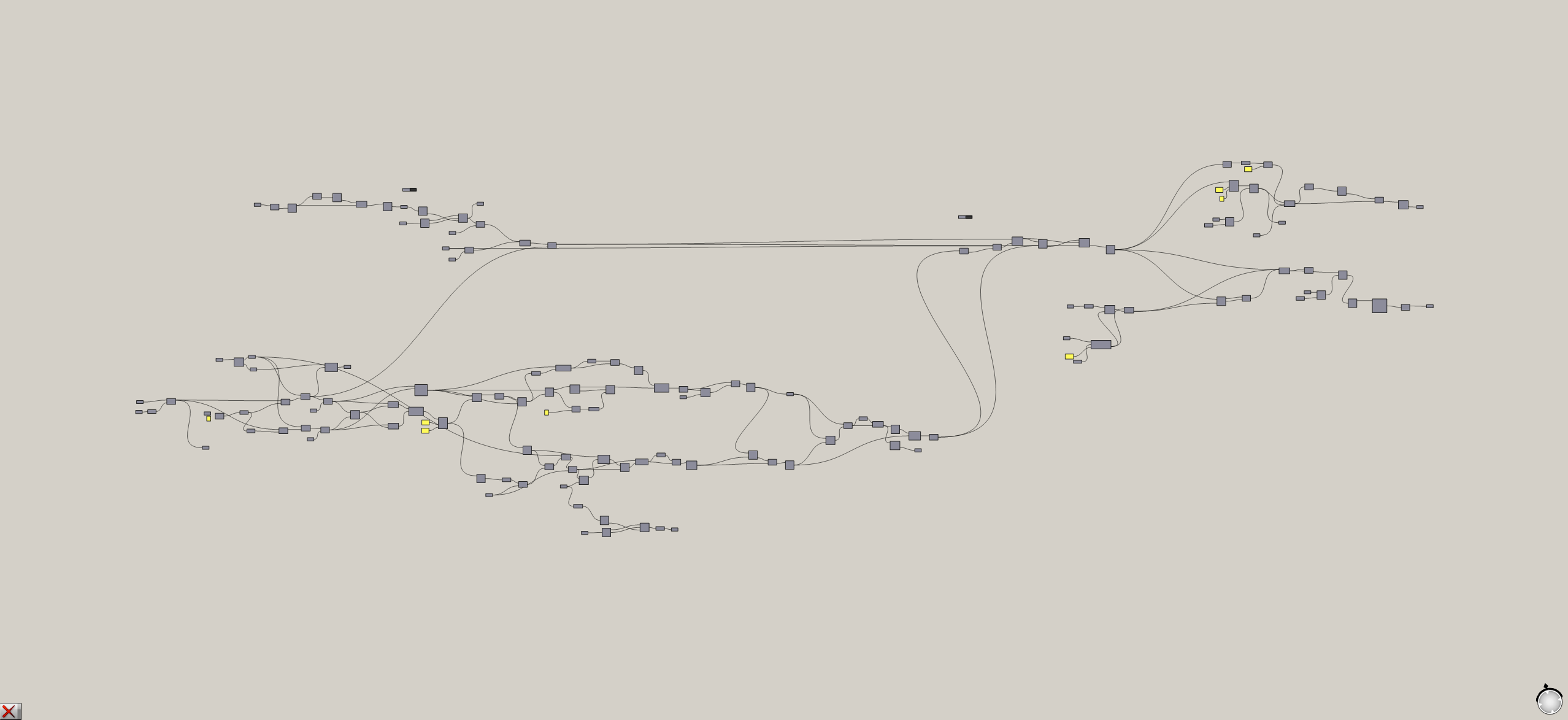
But at least, after that 15-minute call, Tyler got the script running.
Then, another engineer on the same project gave me a call, he couldn’t find the buttons either. Then, another, and another and well....
I spent the next day or so showing people where the buttons are. I even get random calls now and then asking how to use the script.
That’s the part we don’t think about. When you’re deep in problem-solving mode, everything makes sense. The connections are obvious because you literally just wired them five minutes ago. You think, I’ll remember this. Of course I’ll remember why this graft is here, or why I split this path, or what this relay is doing.
When in reality, I forget them the minute I stop looking at the script.
Scripts are more than just the logic
I mean the logic was easy to do and the script was simple to run. But nothing in the script communicated that. The problem with computational scripts is that we don’t always have the time to create a nice user interface. Even when you can do it, the effort it takes may not be worth it.
Defining some kind of scripting convention would help against that. The idea is to create a shared language so that people don’t have to re-learn things each time.
Then, anyone just has to learn the convention once and every new script is immediately familiar. They know where to look for inputs. They know what the group colours means. They know which groups to touch and which ones to leave alone.
The intent here isn’t to make things pretty for pretty sake. It’s that by providing some structure, we improve the way we communicate how our scripts work to others (including future you!).
Scripting is largely a solo activity
Because scripting is mostly solo work, we rarely get feedback on how unreadable our scripts actually are. Nobody tells you your scripts are confusing, until they have to use it. Often, we develop both good and bad habits on how our scripts look like. But no one else may understand them.
If you have scripts that other people need to use or contribute to, it’s worth thinking about how to provide some form of structure for everyone to adhere to. It’s actually why in software development, things like the SOLID Design Principles exist. Apart from it being best practice for software, it also acts as a shared foundation for almost all developers to build from.
If every script you make is structured differently, everyone has to re-learn the entire structure before they can add/use it and that hinders it’s ability to scale.
You just need a language
I don’t want to make this sound like you need a 50-page style guide before you open Grasshopper. That would be ridiculous. The idea here is to guide people who open your scripts (including future you) on where the important things are. They should know where to look for things immediately without having to read each component/line.
consistency is the name of the game here. You don’t have to have the perfect structure, you just need a consistent one so that people know what to expect. One that becomes second nature for you and for anyone who opens your work.
The easiest way to do this is with a template.
A template that provides that loose consistent structure to all your scripts. It’s a starter file with color conventions, notes, titles, etc. Anything that helps anyone understand the structure of the script.
To help kick-start your own template, I’ll be releasing my Grasshopper template next week. It’ll be available for paid members to download.
So stay tuned!
~Braden
Want to learn where to apply computational design?
Subscribe to CodedShapes and I’ll send you my free guide on how to actually do that